
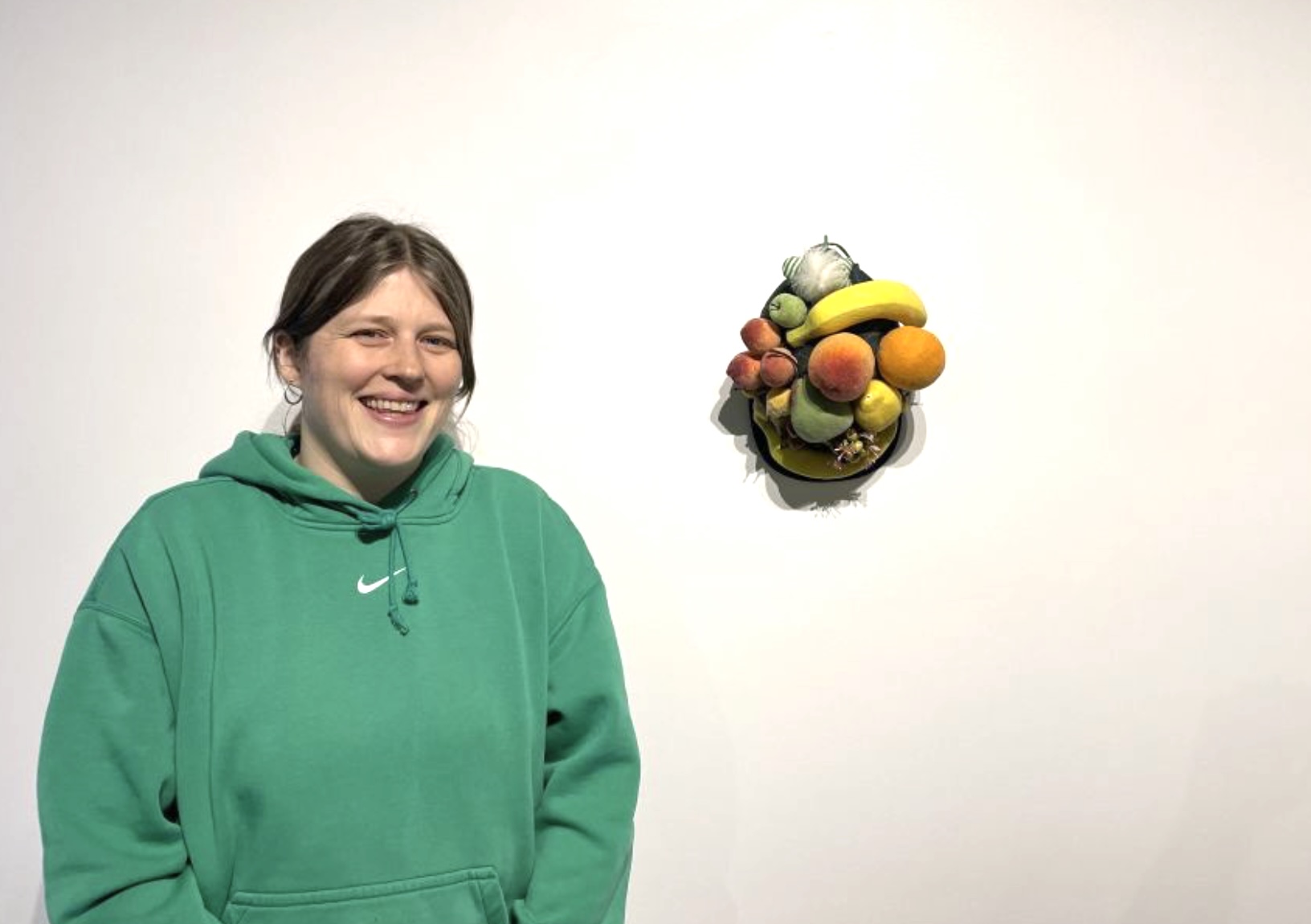
Puppet therapy exhibition spotlights patient agency
Excerpt from: https://www.classic107.com/articles/puppet-therapy-exhibition-spotlights-patient-agency
by Nolan Kehler
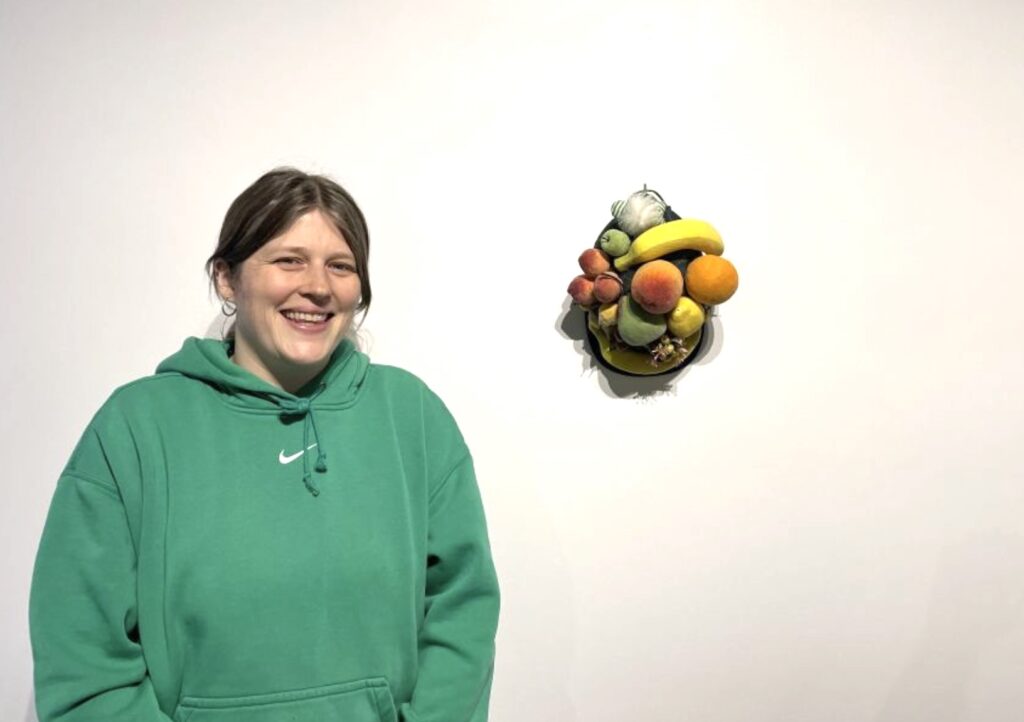
“Bright, whimsical creations will greet visitors to the Galerie Buhler Gallery at St. Boniface Hospital over the next couple of months. Pieces of puppetry ranging from marionettes to flowers are the central focus in Show Me Where It Hurts, an exhibition inspired by artist Hannah Doucet’s personal experience with puppet therapy as a pediatric cancer patient.
‘Puppetry is used as a tool of distraction, but also a tool of education, a tool for demonstration,” she explains. “I love colour, I love brightness, I love laughter and I love if the work can exist in that space, but then also talk about serious topics at the same time so it can move between a lightness and deepness or a nuance all at once.”
read more at https://www.classic107.com/articles/puppet-therapy-exhibition-spotlights-patient-agency
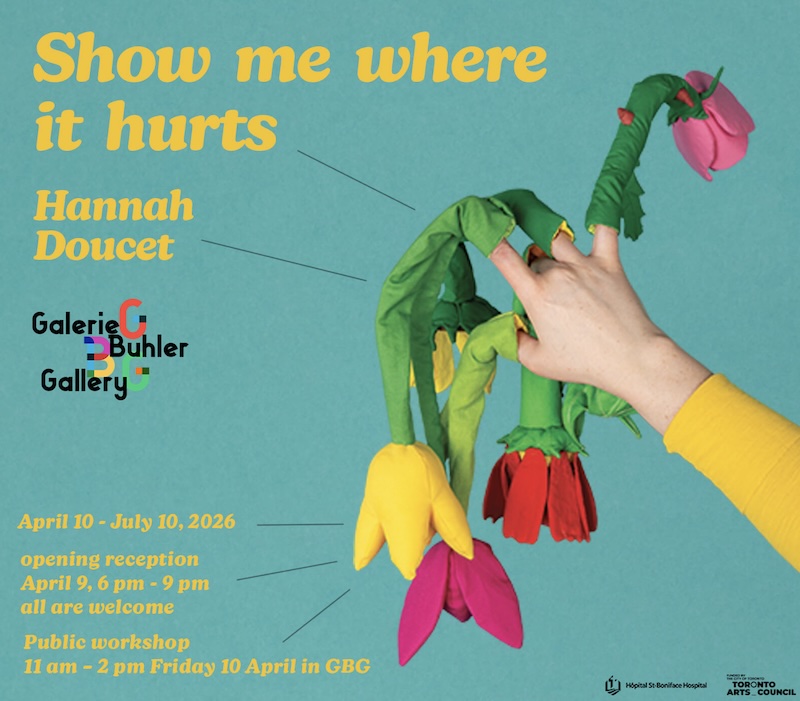
Show me where it hurts | Hannah Doucet
Opening reception 6 – 9 pm, Thursday 9 April | All are welcome
Exhibition open to the public 10 April – 10 July 2026
Public workshop 11 am – 2 pm Friday 10 April in GBG
from https://galeriebuhlergallery.ca
Click here for the exhibition essay.
The show is focused on the relationship between puppetry and spaces of pediatric illness. The installation brings together finger puppets, a larger-than-life children’s fold out puppet theater and a book of poetic scores for puppets plays, amongst other things…–Hannah Doucet
“In this vibrant installation of fabric flowers, fruits, and insect puppets, as well as a grand plush theatre, Hannah Doucet has taken the still life painting tradition as a starting point for thinking about self-awareness and agency in relation to illness and healthcare. Her creations have a bright simplicity and are funny and clever, their scale sometimes shrinking the viewer’s perspective to that of a kid’s, which is part of the point. Use of puppets in paediatric healthcare can help reduce anxiety and so make it easier for small patients to interact with their clinicians, a relationship Doucet is particularly interested in. With care and questioning, she highlights the inherent anarchy of illness and the dynamics that form around it.”